
Buyer’s Glossary
Jaw, Cone, and Impact Crushers Explained: A Buyer's Glossary
Last updated September 2026 · By SKS Steel Zambia, Foundry & Machine Shop, Kalulushi
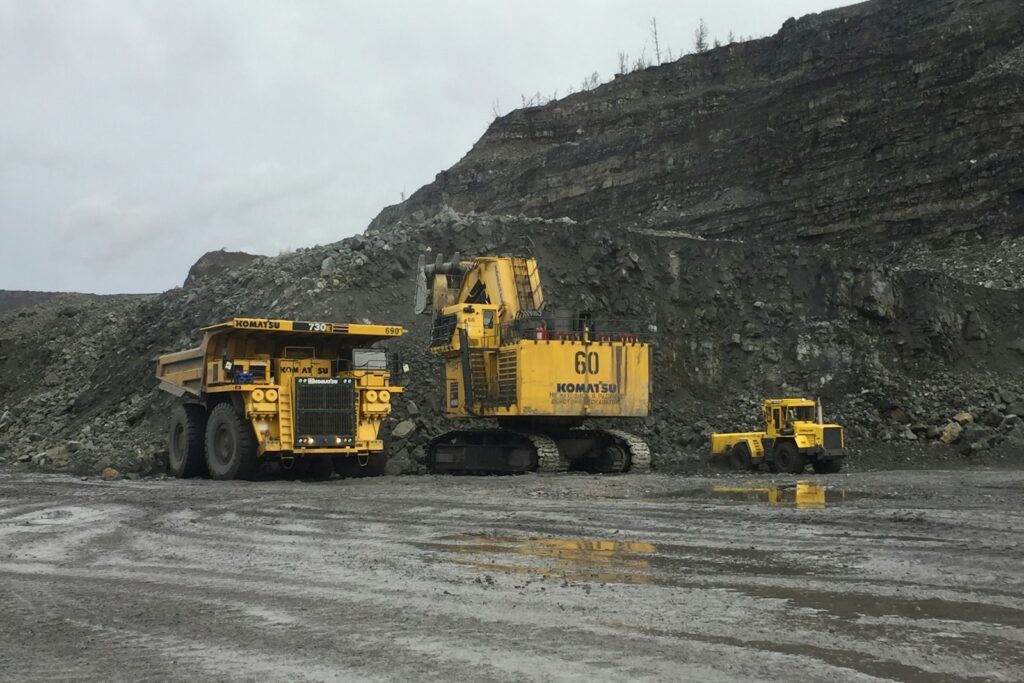
Jaw, cone, and impact crushers all break rock, but they do it differently, and that difference decides which wear parts your machine actually needs. Here is what each type is, how it works, and where to look next.
What Is a Jaw Crusher?
A jaw crusher breaks rock between two plates, one fixed and one moving, that come together in a squeezing motion, like a vice. It is usually the first machine feed material hits, doing primary crushing on large, freshly blasted or quarried rock before anything else processes it further. The wear parts are the jaw plates themselves, which take the direct compressive force of every cycle. See our fixed vs swing jaw plate guide for how the two plates differ.
What Is a Cone Crusher?
A cone crusher takes over where a jaw crusher leaves off, doing secondary or tertiary crushing on material that has already been reduced once. Instead of squeezing between two flat plates, a cone crusher gyrates a mantle inside a bowl, continuously changing the gap between them as it sweeps around the chamber. The wear parts are the mantle and concave liners, which wear unevenly depending on feed and setting. See our cone crusher liner wear guide for how to read that wear pattern.
Jaw vs Cone vs Impact: Quick Comparison
| Factor | Jaw Crusher | Cone Crusher | Impact Crusher |
|---|---|---|---|
| Crushing action | Compression between two plates | Compression via gyrating mantle | Impact from spinning blow bars |
| Typical stage | Primary | Secondary or tertiary | Primary or secondary |
| Output shape | More angular | More angular | More cubical |
| Main wear parts | Fixed and swing jaw plates | Mantle and concave liners | Blow bars |
What Is an Impact Crusher?
An impact crusher breaks rock by striking it at high speed rather than squeezing it. Blow bars mounted on a spinning rotor hit the feed material, which then shatters again against breaker plates inside the chamber. This gives a more cubical output shape than jaw or cone crushing, which is why impact crushers are common where product shape matters as much as size reduction. The wear parts are the blow bars, which bolt rigidly to the rotor. See our impact crusher blow bar guide for more on fit and replacement.
Beyond the Crusher: Other Wear Parts You Will Need
Crushers are not the only equipment wearing down on site. A few others worth knowing:
- Mill liners: line the inside of ball mills and SAG mills, protecting the shell while lifting the grinding charge. See our ball mill vs SAG mill liner guide.
- Grinding media: the steel balls that do the actual grinding inside a ball mill. See our grinding media sizing guide.
- Crusher hammers: similar to blow bars but pivot on a pin, used in hammer mills on softer material. See our hammers vs blow bars guide.
- Pulleys and sheaves: keep belts and drives running, and are often worth custom-casting locally. See our pulley casting guide.
- Bronze bushings: sliding bearing surfaces that protect shafts and housings from wear. See our bronze bushing alloy guide.
Frequently Asked Questions
If it squeezes rock between two flat plates, it is a jaw crusher. If it gyrates a cone-shaped mantle inside a bowl, it is a cone crusher. If it strikes rock at speed with rotating bars, it is an impact crusher. Send us a photo if you are not sure and we can help identify it.
Not directly. Jaw crushers handle primary crushing of large feed, cone crushers handle secondary and tertiary reduction, and impact crushers are chosen partly for their more cubical output shape. Most plants use a combination rather than one type alone.
Yes. We cast jaw plates, cone and bowl liners, and impact crusher blow bars, along with mill liners, grinding media, crusher hammers, pulleys, and bronze bushings.
Not Sure Which Wear Parts You Need?
WhatsApp us a photo of your crusher or machine and we will help identify what you need, or browse our full Products & Capabilities page.
SKS STEEL ZAMBIA LIMITED
Off Kalengwa Road, Chief Nkana
Kalulushi, Copperbelt Province, Zambia
+260 976 037 408
+260 950 863 175
skssteelz@gmail.com
vbsingh1993@gmail.com
Steel foundry & castings since 2019.