Grinding Media

Cast Grinding Balls vs Forged Balls: What Your Mill Needs

Last updated November 2026 · By SKS Steel Zambia, Foundry & Machine Shop, Kalulushi

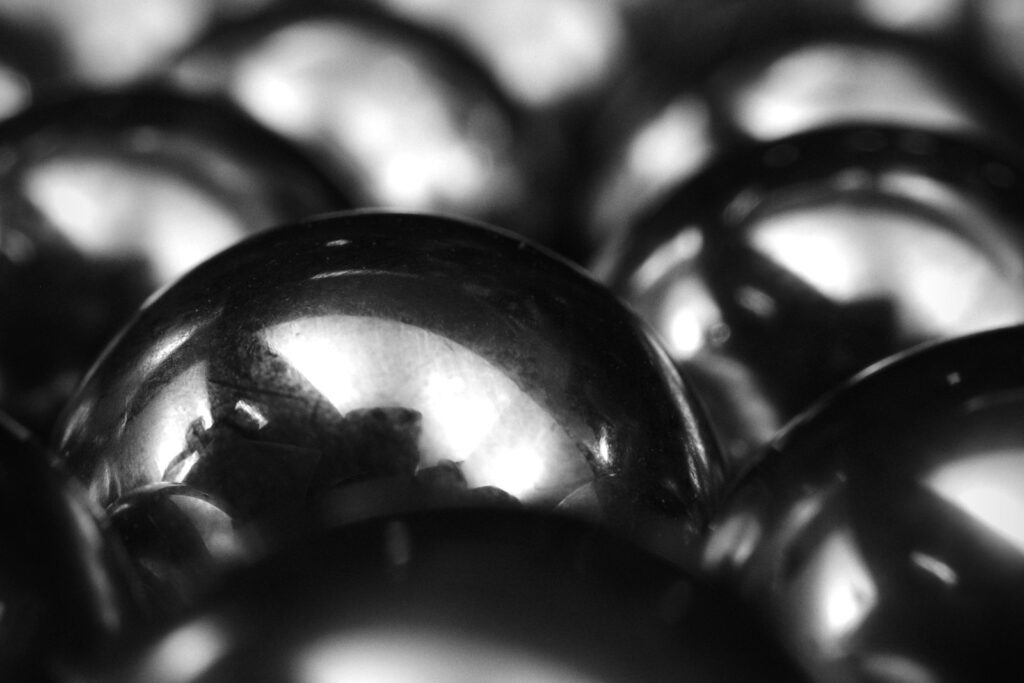
Polished cast steel grinding balls

Mill balls are the part of a ball mill that does the grinding, and they are also a steady running cost. Many mines compare cast grinding balls with forged balls. This guide explains how each is made, what affects wear and breakage, and how to size mill balls for your mill.

How Cast and Forged Grinding Balls Are Made

Cast grinding balls are made by pouring molten metal into moulds, then heat treating the balls to the hardness the duty needs. Forged balls are shaped from heated steel bar by forging or rolling, then heat treated.

Both routes can give good balls. What matters is the alloy, the heat treatment and the consistency from batch to batch. SKS casts steel balls and rods for ball and rod mills. See our grinding media page.

Hardness, Wear and Breakage

Harder balls resist wear, but a ball that is too hard for the duty can chip or break. A softer ball is tougher but wears faster. The balance depends on ball size, mill speed, ore hardness and whether the mill runs wet or dry.

  • Wear: shows as balls getting smaller and the charge needing top ups.
  • Breakage: shows as chipped, cracked or flat spotted balls in the discharge.
  • Consistency: a mix of hard and soft balls gives uneven wear, so ask for hardness records per batch.

Our guide to choosing grinding media size and alloy goes deeper on sizing and alloy.

Want a trial batch of cast grinding balls?

Send the diameter and quantity. We quote a trial batch.

Chat on WhatsApp

Cast vs Forged Grinding Balls at a Glance

FeatureCast ballsForged balls
ProcessMetal poured into mouldsHeated bar forged or rolled into shape
Alloy choiceWide range, tuned by the foundryDepends on the bar steel available
SizesCan be cast to a specified diameterUsually standard diameters
Wear and breakageSet by alloy and heat treatmentSet by steel grade and heat treatment
SupplyShort lead time possible from a local foundryOften imported, with longer lead times

General comparison only. Results vary by supplier and mill, so test a batch before changing the full charge.

Sizing and Ordering Mill Balls

To quote cast grinding balls we need:

  • Ball diameter you use now, and the mill diameter and length
  • Feed size and ore type, and wet or dry grinding
  • Current wear rate or top up per month
  • Quantity per order and delivery location

We cast to your diameter, heat treat in house and record hardness per batch. Lead time is typically around 30 days. We deliver across Zambia, the DRC and neighbouring countries. See Local vs Imported Wear Parts for how local supply compares.

A Simple Trial Plan for New Grinding Balls

Do not change a whole charge on a datasheet. Run a trial:

  • Pick one mill and one ball size.
  • Record media consumption in kg per tonne before and during the trial.
  • Check for breakage and size loss over several weeks.
  • Compare with the current balls before ordering more.

Common Mistakes with Mill Balls

  • Choosing on price per tonne without tracking consumption.
  • Mixing balls of very different hardness without a trial.
  • Letting the charge run down instead of topping up on schedule.
  • Ignoring broken or flat balls in the discharge.

Frequently Asked Questions

It depends on the alloy, the heat treatment and the mill duty. Both can perform well. The best way to compare is to run a trial batch and track wear and breakage against your current balls.

Ball size depends on feed size, mill diameter and the grind you want. Larger balls break coarse feed, and smaller balls grind finer. Share your mill details and current ball size and we can advise.

Yes. We cast steel grinding balls in Kalulushi, cast to your diameter and heat treated in house, with hardness recorded per batch. Send your size and quantity on WhatsApp.

Need cast grinding balls for your mill?

Send us the ball diameter and quantity. We will confirm the alloy and lead time.