Mill Liners

Types of Ball Mill Liners: Materials, Profiles and How to Choose

Last updated November 2026 · By SKS Steel Zambia, Foundry & Machine Shop, Kalulushi

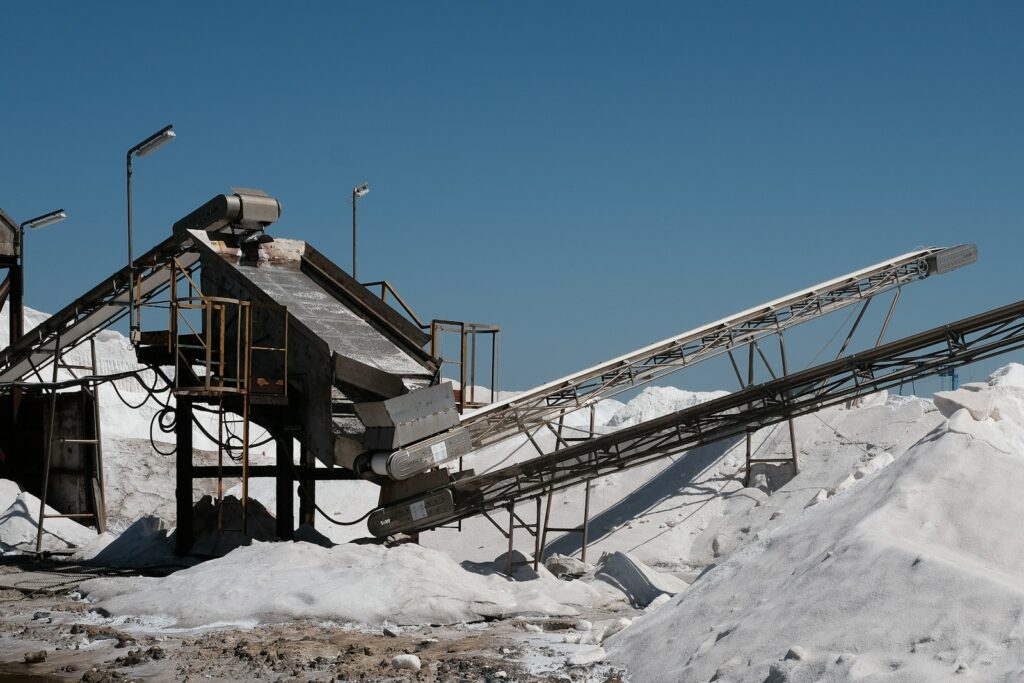
Conveyor at a mineral processing plant

Ball mill liners do two jobs. They protect the shell, and they lift the charge so the balls can grind the ore. The material and the profile you pick change how long the liner lasts and how well the mill grinds. This guide covers the main types of ball mill liners, what each one is good at, and how to choose for your mill.

The Main Types of Ball Mill Liner Materials

Most ball mill liners fall into four groups. Which one lasts longest depends on your ore, ball size, mill speed and liner profile, so treat this as a starting point and not a rule.

  • Manganese steel (Mn13, Mn18): tough, and it work hardens where it is struck. A common choice where impact is high.
  • Alloy (chrome-moly) steel: heat treated to a set hardness while keeping toughness. Widely used in wet and dry ball mills.
  • High chrome white iron: very hard and abrasion resistant, but more brittle than steel.
  • Rubber and rubber-steel composites: lighter and quieter, made by specialist suppliers, and suited to some wet duties.

SKS casts ball mill liners in manganese and alloy steel. See our mill liners page for what we make.

Liner Profiles: Smooth, Wave, Step and Lifter

The profile sets how the charge moves inside the mill. A smoother liner lifts the charge less and tends to suit finer grinding. A liner with a tall lifter bar raises the charge higher, which suits coarser grinding but puts more load on the liner and the balls.

  • Smooth or shallow wave: lower lift, gentler on the balls.
  • Step and ribbed profiles: a middle ground, often used in the main body of the mill.
  • Lifter bar liners: higher lift, usually used where the mill needs to cast the charge further.

The right profile depends on mill speed and the mill supplier design. Match the profile to the liner you are replacing unless you have a reason to change it. We also explain how ball and SAG liners differ in Ball Mill vs SAG Mill Liners.

Planning a reline?

Send the mill details and a drawing or sample. We quote material and lead time.

Chat on WhatsApp

Comparing Ball Mill Liner Types at a Glance

TypeStrengthWatch forTypical use
Manganese steelTough, work hardens under impactStays softer in low impact dutyCoarse feed, heavy impact
Alloy steelHeat treated hardness with toughnessHeat treatment quality mattersWet and dry ball mills
High chrome white ironHigh abrasion resistanceBrittle, can crack under heavy impactFine, abrasive grinding
Rubber or compositeLight, quiet, easy to handleLimits on ball size and temperatureSmaller mills, some wet duty

General industry guidance only. Results vary with ore, mill design and supplier.

How to Choose, and What to Send Us

Before you ask for a quote, collect the details that decide the material and profile:

  • Mill diameter and length, and a drawing or the supplier part numbers
  • A worn liner, or clear photos with measurements
  • Ore type and whether the mill runs wet or dry
  • Ball size and charge, and how long the current liners last
  • How many sets you need and when

SKS casts liners in Mn13, Mn18 and alloy steel, heat treated in house, with hardness recorded per batch. We cast to your drawing or worn sample. Lead time is typically around 30 days. Read Buying Custom Cast Wear Parts for how ordering works.

Common Ball Mill Liner Problems

Most liner problems show up in a few ways:

  • Loose bolts or leaks at the shell.
  • Cracked liners, which can mean the material was too brittle for the duty.
  • Fast thinning, which can mean it was too soft for the ore.
  • Worn lifters changing how the charge moves.

Relining Checklist

  • Order the liners well before the shutdown.
  • Check the shell for damage before fitting.
  • Use new bolts, washers and seals.
  • Record the liner mass and thickness for the next campaign.

Frequently Asked Questions

The common materials are manganese steel, alloy steel, high chrome white iron and rubber or rubber-steel composites. The best choice depends on ore, ball size, mill speed and the liner profile.

There is no single best profile. Lifter bar profiles raise the charge higher, while smooth or wave profiles lift less. Match the profile to your mill design and grinding goal, and keep the existing profile unless you have a reason to change it.

Yes. We cast ball mill liners in Mn13, Mn18 and alloy steel to your drawing or a worn sample, heat treated in house with hardness recorded per batch. Send the details on WhatsApp for a quote.

Need ball mill liners cast to your mill?

Send us the mill size, a drawing or a worn liner. We will confirm material and lead time.