
Maintenance Guide

Why Crusher Wear Parts Fail Early: A Troubleshooting Guide

Last updated October 2026 · By SKS Steel Zambia, Foundry & Machine Shop, Kalulushi

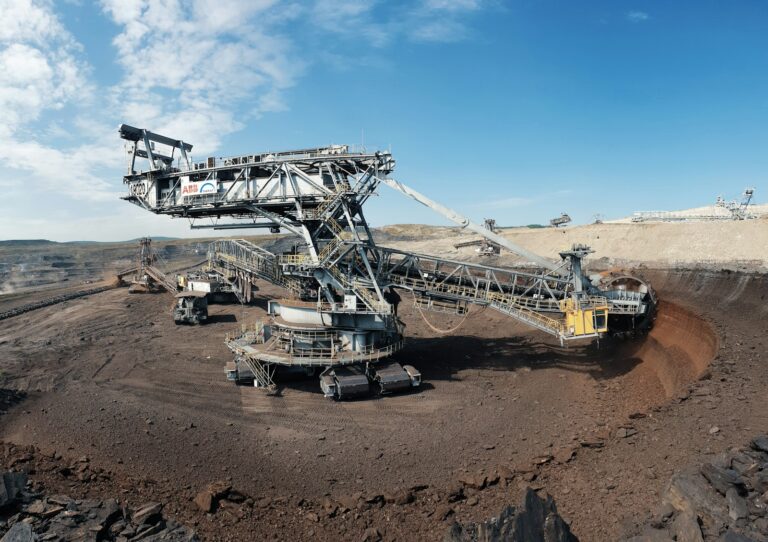
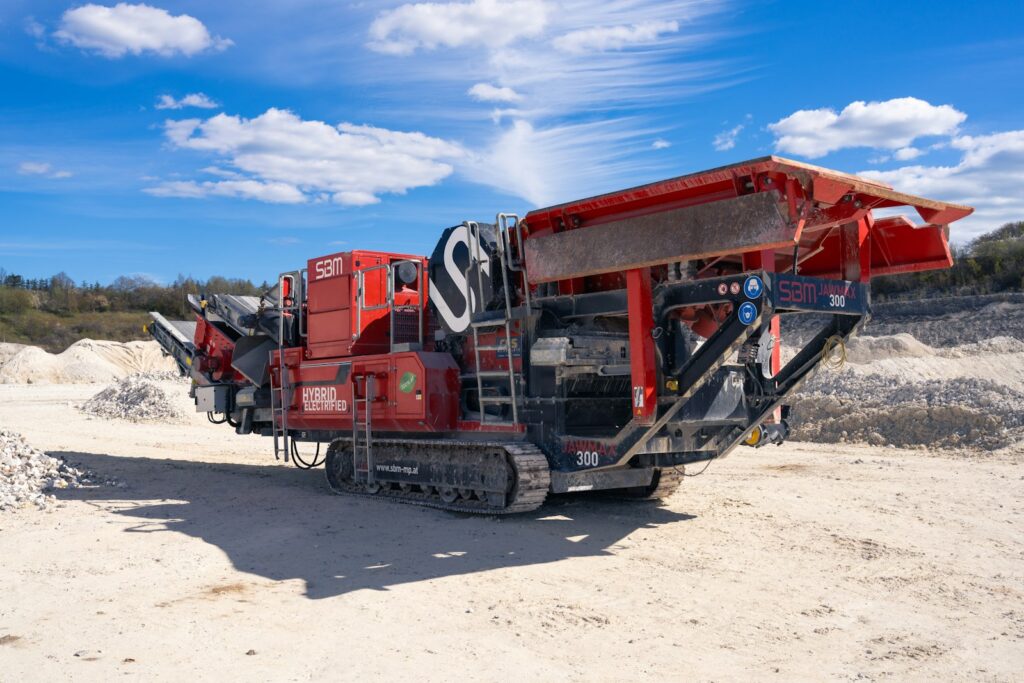
Crushing equipment operating at a quarry site

When a set of crusher wear parts fails early, the usual reaction is to blame the supplier and reorder the same part. Sometimes that is right. Often the part was not the problem, and the next set fails the same way.

This guide gives a short routine for finding the cause first. It covers how to read the wear pattern, the three places failure usually starts, and a table of common symptoms with the first thing to check.

Start With the Wear Pattern

The worn part tells you what happened. Before it is scrapped, look at it and photograph it. Even wear across the face suggests normal service. Wear concentrated in one zone points to a feed or seating problem. Deep gouging suggests uncrushable material or impact load beyond what the grade can take. Cracks that start at an edge or a corner point to different causes than cracks across the middle.

A photo of the worn part with a tape measure beside it is the most useful thing you can send a supplier when asking why a part wore out.

Three Places Failure Starts

  • Operation: uneven feed, running with the chamber not full, tramp metal, or feed material finer or harder than planned.
  • Grade versus duty: a manganese part in low-impact abrasive duty may not work-harden and wear quickly, while a brittle high chrome part in heavy impact can crack. See manganese steel vs high chrome iron.
  • The part and its seating: loose backing, worn seats, poor fit, or a casting defect such as voids or porosity.

Replacement timing also matters. Our guide on how often to replace crusher wear parts gives typical ranges.

Parts failing early?

Send photos and what the machine was crushing. We will help find the cause.

Chat on WhatsApp

Symptom, Likely Cause, First Check

SymptomLikely causeFirst check
One side wears much fasterUneven feedFeed position and distribution
Smooth polished surface, fast wearManganese not work-hardeningDuty and impact level
Cracks across the partOverload or brittle gradeTramp metal and grade choice
Part loose or shiftingWorn seats or backingSeat condition and backing material
Holes or pits inside the sectionCasting defectInspect broken face for voids
Short life after grade changeGrade not matched to dutyCompare old and new certificates

Checklist Before You Reorder

  • Photograph the worn part from several angles with a scale.
  • Record running hours or tonnes processed.
  • Check feed size, feed distribution and any tramp metal events.
  • Inspect seats and backing.
  • Look at broken faces for voids or porosity, which suggest a casting defect.
  • Check the material test certificate for the batch.

Send the results with your next enquiry and we can advise on whether a different grade or design would help.

A Quick Troubleshooting Checklist

When a set fails early, work through the likely causes:

  • Material: too soft for the abrasion or too hard for the impact.
  • Feed: oversize rock, or uncrushable metal.
  • Fitting: loose parts or poor seating.
  • Settings: clearance or speed outside the manual.
  • Conditions: wet or clay-rich feed that packs and changes the wear.

Keeping a Failure Log

Record the date, hours, tonnes, feed, settings and a photo of the failed part. Share it with the foundry. A record turns a one-off problem into a pattern we can fix with a different material or profile. See How Often Should You Replace Crusher Wear Parts? and Manganese Steel vs High-Chrome Iron: Which Wear Parts Last Longer?.

Frequently Asked Questions

The most common reason is that it was not work-hardening. Low-impact, highly abrasive duty can wear manganese steel faster than expected. Feed distribution and seating are the other usual causes.

Look at a broken or cut face. Voids, holes or a sponge-like texture inside the section suggest a defect. Send photos to the supplier along with the batch details.

Not before finding the cause. If the duty has changed, a different grade may help. If the cause is feed or seating, a new grade will fail the same way.

Had a Part Fail Early?

Send photos of the worn part and your running hours and we will help work out why.