Buyer's Guide

How to Read a Material Test Certificate for Cast Wear Parts

Last updated October 2026 · By SKS Steel Zambia, Foundry & Machine Shop, Kalulushi

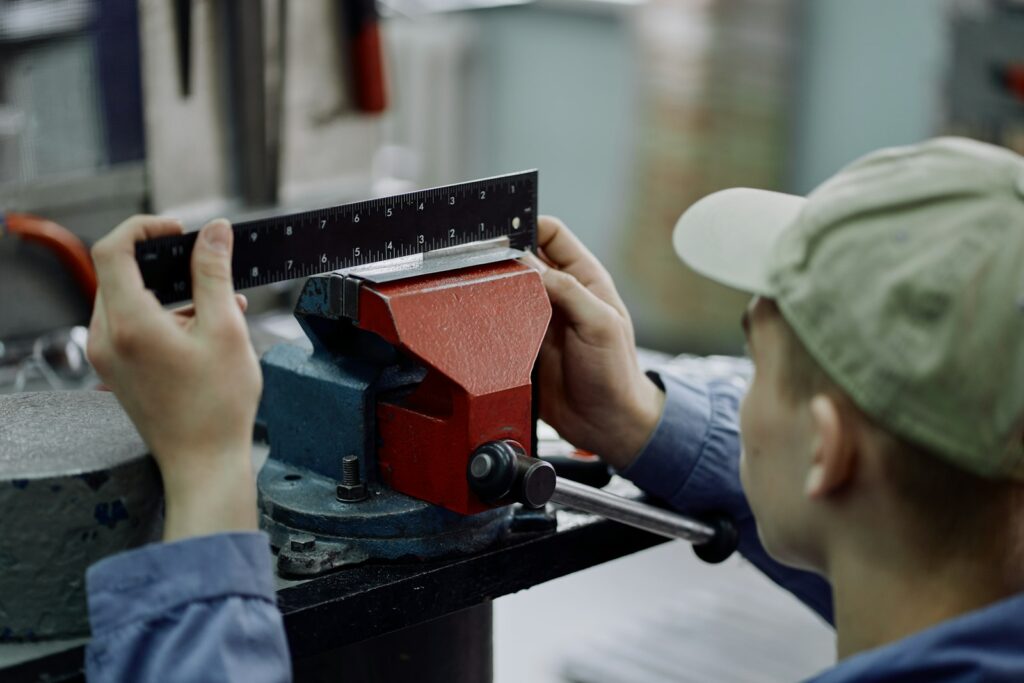
Cast metal part being measured with a caliper in a vise

A material test certificate is the document that tells you what a cast part is made of and whether it was checked before leaving the foundry. Many buyers file it without reading it. That is a missed chance, because the certificate is the quickest way to spot a part that was not made to the grade you ordered.

This guide explains what the certificate is for, the five things worth checking on it, and a few readings that look wrong but are normal for wear castings.

What a Certificate Is For

The certificate links a physical part to a record of how it was made and tested. It lets you trace a part back to a specific batch, confirm the chemistry matches the grade you ordered, and compare hardness against what you expect. If a part wears much faster than planned, the certificate is the first place to look.

It also protects both sides. A supplier that issues clear certificates is showing its process, and a buyer who reads them can raise questions before the part is fitted instead of after it fails.

Five Things to Check

  • Batch or heat number: this should match the number marked or recorded for your parts, so the paperwork belongs to your order.
  • Chemical composition: look for actual measured figures for carbon, manganese and chromium, not just the word pass. Compare them with the grade range.
  • Heat treatment record: for manganese steel this means the water quench; for high chrome iron, the hardening cycle. It should be stated.
  • Hardness result and method: the value and the test used, usually Brinell or Rockwell. Hardness should be tested per batch.
  • Dimensional check: confirmation that the part matches the drawing within tolerance.

For help choosing between alloys, see manganese steel vs high chrome iron.

Need parts supplied with a certificate?

Tell us what the certificate must show. We will include it with the batch.

Chat on WhatsApp

Readings That Look Wrong but Are Normal

What you seeWhat it usually means
New manganese plate reads about 200 HBNormal. It work-hardens in service to around 500 HB at the surface.
High chrome part reads 600 to 700 HBNormal for hardened high chrome iron.
No batch or heat numberA real gap. Ask the supplier before fitting.
Chemistry shows only passAsk for the measured figures.

When Parts Wear Differently Than Expected

If the certificate is clean but wear life is short, the cause is often outside the alloy: the wrong grade for the duty, a feed problem, or poor seating. Our troubleshooting guide walks through those checks.

Certificates are available on request with each delivery. If you want to see how parts are made and tested, plant visits can be arranged by appointment. Our buying guide explains the ordering process.

Red Flags on a Certificate

A certificate that cannot be traced to your parts is not much use.

  • No heat or batch number.
  • Chemistry shown for only some elements.
  • Hardness missing on a heat-treated part.
  • No link to your order or part number.
  • No signature or date.

What to Ask the Foundry to Include

  • Chemical composition for the grade.
  • Hardness results and the heat treatment record.
  • A dimensional check against your drawing.
  • The heat or batch number marked on the part.

SKS records hardness per batch. See Buying Custom Cast Wear Parts in Zambia: Lead Times, MOQs & What to Expect for how we handle orders.

Frequently Asked Questions

Certificates are available on request with each delivery. Mention it when you place the order so it is prepared with your batch.

Yes. Hardness is tested on every batch and recorded, and the result can be shown on the certificate.

Plant visits can be arranged by appointment at our site in Kalulushi. Contact us to agree a date.

Want a Certificate With Your Next Order?

Tell us the part and grade and we will confirm what paperwork comes with it.