
Product Guide
Choosing Grinding Media Size and Alloy for Your Ball Mill
Last updated September 2026 · By SKS Steel Zambia, Foundry & Machine Shop, Kalulushi
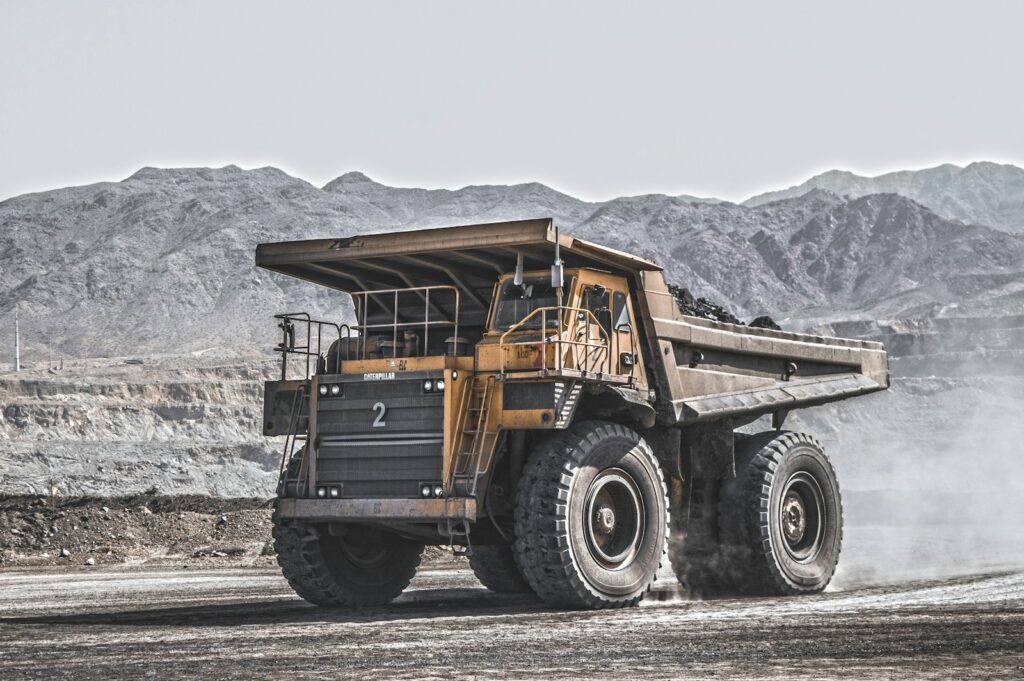
Grinding media does most of the actual size reduction inside a ball mill, so getting the size and alloy right affects grinding efficiency, power draw, and how often you are topping up the charge. Here is how to choose both properly.
Why Grinding Media Size Matters
Larger balls carry more impact energy per strike, which suits coarser feed that needs breaking down before finer grinding can happen. Smaller balls pack more surface contacts into the same charge volume, which suits fine grinding where you need many gentler impacts rather than fewer heavy ones. Running the wrong size either wastes energy smashing already-fine material or fails to break down coarse feed efficiently.
Alloy Options for Grinding Media
Grinding media wears through a mix of abrasion and impact, tumbling constantly against ore and against other balls in the charge. Manganese steel work-hardens under this repeated impact, similar to how it performs in crusher wear parts, and is a common choice for its toughness. High-chrome iron resists abrasive wear well and suits ore with higher silica content, though it is more brittle under heavy impact than manganese steel. The right choice depends on your ore hardness and mill type.
Choosing Ball Size by Feed and Product
| Feed Situation | Typical Ball Size | Why |
|---|---|---|
| Coarse feed, primary grinding stage | Larger diameter | More impact energy per strike to break down large particles |
| Fine grinding, secondary or regrind stage | Smaller diameter | More surface contacts for gentler, more frequent impacts |
| Mixed feed size | Graded mix of sizes | Balances coarse breakdown with fine grinding in one charge |
Exact sizing depends on your mill diameter, feed top size, and target product fineness, we can help confirm this against your actual operating data.
How to Spec Your Grinding Media Order
Before placing an order, confirm these details with us:
- Mill diameter and feed top size: these drive the starting ball size range.
- Ore hardness and abrasiveness: determines whether manganese steel or high-chrome iron fits better.
- Current make-up rate: how often you are topping up the charge, which helps confirm sizing is not already off.
- Target product fineness: finer targets generally call for a smaller media size skew.
For alloy selection background, see our material comparison guide.
Frequently Asked Questions
It depends on your mill diameter, feed top size, and target product fineness. Coarser feed and primary grinding call for larger balls, fine grinding calls for smaller ones. Send us your operating data and we can help confirm the right size.
It depends on your ore. Manganese steel handles impact well and work-hardens under repeated strikes, while high-chrome iron resists abrasive wear better on more silica-rich ore. We can recommend based on your specific conditions.
Yes. We can cast a graded mix of ball sizes to match your mill charge requirements rather than a single uniform size.
Need Grinding Media Cast to Spec?
WhatsApp us your mill details and ore type and we will confirm size and alloy, or browse our Grinding Media page.
SKS STEEL ZAMBIA LIMITED
Off Kalengwa Road, Chief Nkana
Kalulushi, Copperbelt Province, Zambia
+260 976 037 408
+260 950 863 175
skssteelz@gmail.com
vbsingh1993@gmail.com
Steel foundry & castings since 2019.