
SUPPLY CHAIN
Local vs Imported Wear Parts: Why Copperbelt Mines Choose Zambian Casting
Last updated August 2026 · By SKS Steel Zambia, Foundry & Machine Shop, Kalulushi
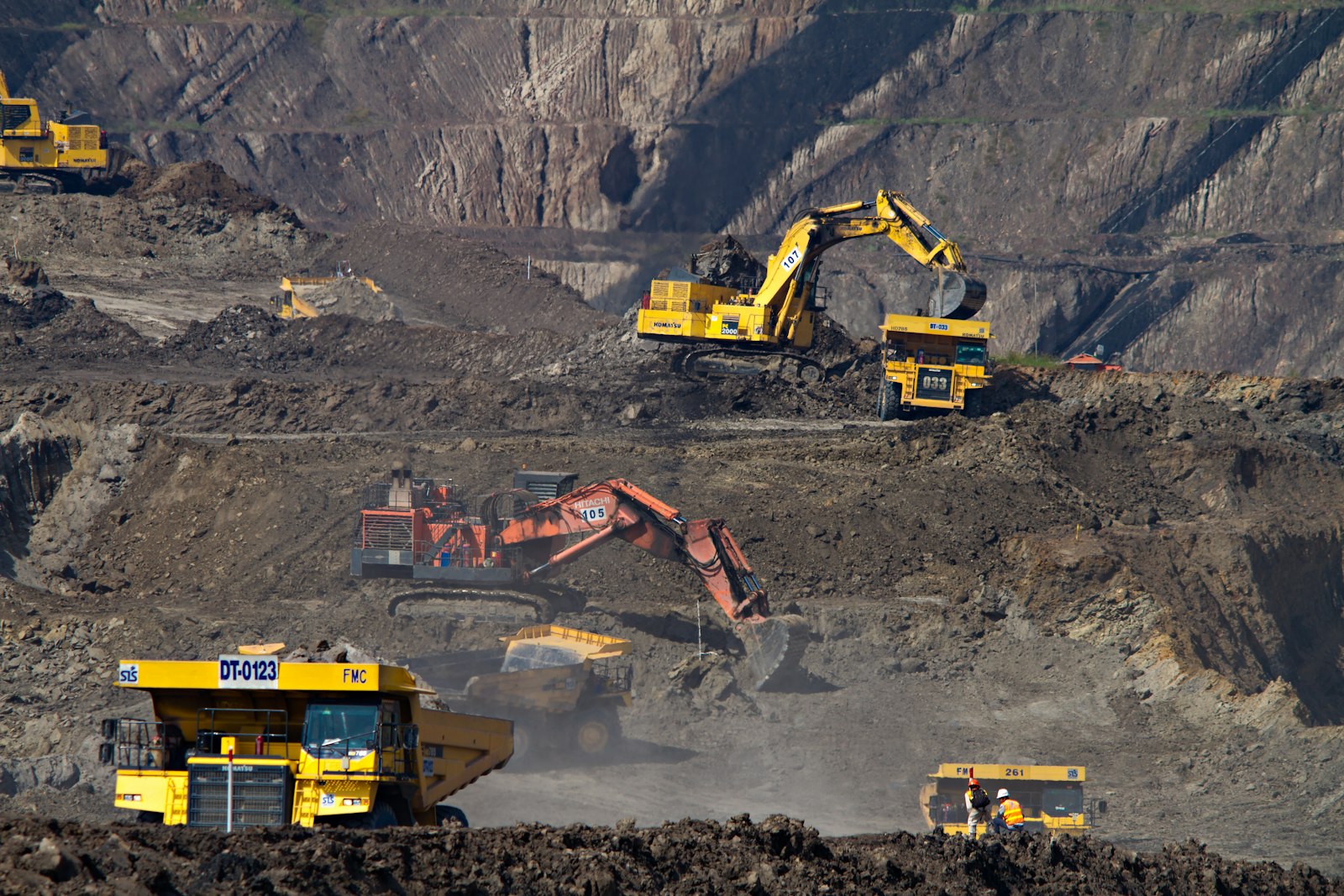
Importing wear parts can look cheaper on a unit-price comparison, but the total cost usually includes freight, customs clearance, FX exposure, and weeks of extra lead time that do not show up on the quote. Here is what actually changes when you buy wear parts from a local Zambian foundry instead of importing.
The Hidden Costs of Importing Wear Parts
- Ocean or air freight plus inland transport, often a significant share of landed cost
- Customs clearance delays that are hard to predict or control
- Currency exposure between order and delivery, especially on longer shipping timelines
- Minimum container-load quantities that do not match your actual maintenance need
- Little to no local technical support if a part does not fit or needs adjustment
What Casting Locally Actually Changes
A part cast in Kalulushi, Copperbelt Province does not cross a border to reach a Zambian mine, quarry, or processing plant. That means a lead time measured in weeks rather than months, no customs uncertainty, and a foundry you can reach directly if a part needs a revision. It also means we can cast directly from a worn sample if your drawing has been lost or was never digitized in the first place, something that is much harder to coordinate with an overseas supplier.
When Importing Still Makes Sense
Local casting is not the right answer for every part. A highly specialized alloy that is outside what any regional foundry runs, or a one-off part at a scale beyond local capacity, may still be worth importing. For the wear parts that make up the bulk of routine maintenance, jaw plates, blow bars, liners, hammers, bushings, local casting usually wins on total cost and lead time, not just unit price.
What to Compare Beyond Unit Price
| Factor | Imported | Cast Locally (Zambia) |
|---|---|---|
| Typical lead time | Often 8–16+ weeks incl. shipping & customs | ~30 days on average |
| Freight & customs cost | Added to unit price | Not applicable |
| FX exposure | Yes, over the shipping window | Minimal |
| Minimum order | Often container-load driven | Can flex per product |
| Casting from a worn sample | Difficult to coordinate remotely | Straightforward |
Frequently Asked Questions
Need Wear Parts Cast Locally, Fast?
Tell us the part, the wear pattern, and when you need it. We will quote a lead time and a price, usually within a day.
SKS STEEL ZAMBIA LIMITED
Off Kalengwa Road, Chief Nkana
Kalulushi, Copperbelt Province, Zambia
+260 976 037 408
+260 950 863 175
skssteelz@gmail.com
vbsingh1993@gmail.com
Steel foundry & castings since 2019.